
Their day, at a glance
Meals, weight, sleep, and medication in one journal. Look back with the calendar, and plan the care that comes next.
21 care categories · Day / month / year PawjiiPet care, with love
No matching languages
FOR ALL YOUR LITTLE LOVES
A good meal. A happy walk. A peaceful nap.
Keep the little things that make up their world.
For iPhone & iPad · Coming soon

A little care, every single day.

Furry, feathered, or quietly growing.
Every little love has a routine.
 Dogs
Dogs Cats
Cats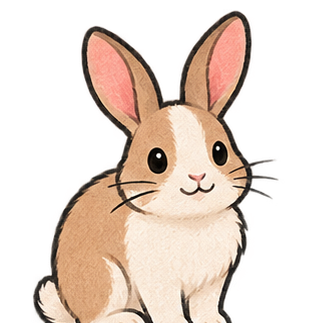 Rabbits
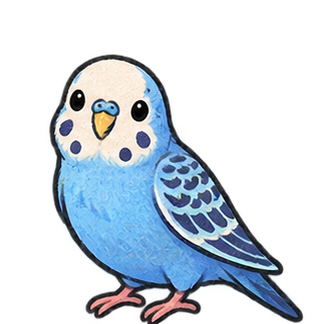 Birds
Birds Hamsters
 Plants
LITTLE THINGS, LOVINGLY KEPT
From everyday meals to familiar walks.
A place for care, and the memories around it.
Meals, weight, sleep, and medication in one journal. Look back with the calendar, and plan the care that comes next.
21 care categories · Day / month / year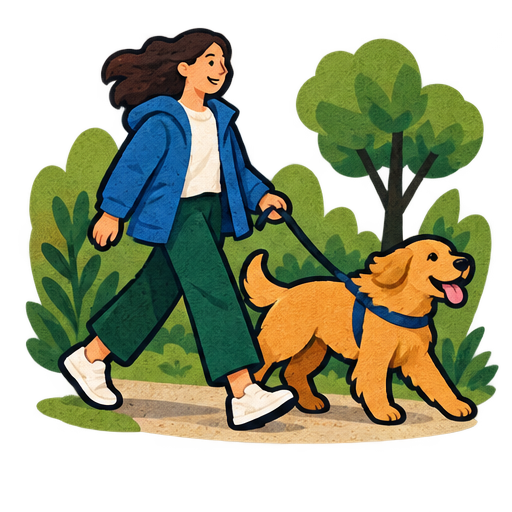
Save your time, distance, and route. Replay the day’s adventure, including that very interesting tree.
Mapped routes · Animated replay
Turn daily entries and specific observations into a warm PDF journal. Keep their story, and the details worth a closer look.
Date filters · Care reviews · PDF exportLEARN A LITTLE. LOVE A LOT.
Begin with a few gentle minutes.
Build a rhythm together, with rewards and patience.
Beginner pet lessons
Six original beginner, text-based courses that can be read in full on the website. Plus access in the app is planned for the future and is not presented as currently available.
6 themes. 18 short lessons. Follow their pace, with a break whenever they need one.
A New Friend Comes HomeHelp a dog discover a new home through a safe space, predictable rhythms, and choice-led exploration.Free to readPrepare a quiet corner, comfortable bedding, water, an item with a familiar scent, and a few rewards the dog enjoys.
Watch for a softer body, willingness to remain nearby, and the ability to leave whenever the dog chooses.
The safe base is an available choice, not a place for confinement or unwanted interaction.
Next lessonSecure cords, medicines, and breakables, close rooms that are not ready, and create one calm exploration route.
Rapid panting, freezing, hiding, or repeatedly seeking an exit can mean the tour is too difficult; reduce the area and end the session.
Short exploration with an easy exit supports a sense of safety.
Next lessonList a few events that will reliably happen today, such as a toilet break, a meal, quiet rest, and a bedtime check.
Easier transitions and voluntarily moving toward the relevant place suggest that the cues are becoming predictable.
Stability comes from understandable sequences, without imposing a rigid all-day schedule.
Back to classes Responding to a NameTeach that a name predicts something good and a chance to connect, rather than scolding or repeated pressure.Free to read
Choose a quiet room, prepare ten tiny rewards, and wait until the dog is not deeply occupied.
Notice how many seconds the response takes and what it looks like; sustained eye contact is not required.
The name asks for gentle attention; use a separate cue for any action that follows.
Next lessonPrepare a quiet space and rewards, with nonslip footing and no obstacles the dog needs to avoid.
If the dog turns faster but does not approach, still reward the look; do not silently raise the criterion to a recall.
Build a reliable response before increasing distance.
Next lessonUse a familiar space, place one low-interest toy nearby, and prepare a reward the dog values more than usual.
Two missed responses usually mean the distraction is too strong; do not repeat the name—move the distraction away and reset.
Letting the dog return to an enjoyable activity can make responding to the name worthwhile.
Back to classes Walking Together on a Loose LeashReward a relaxed leash in low-distraction settings so forward movement becomes part of working together.Free to read
Use a well-fitted harness or flat collar, a fixed-length leash, and small rewards; begin indoors or in a quiet yard.
Watch for a natural curve in the leash and voluntary returns to the reward zone.
Make staying near you valuable before asking for more distance.
Next lessonChoose a short, quiet route and allow plenty of time; do not begin this lesson when you need to hurry.
If the dog keeps lunging, pants rapidly, or cannot respond after you stop, move away from the distraction and shorten the route rather than adding force.
A loose leash keeps the journey moving; tension simply pauses progress.
Next lessonChoose a safe place with clear visibility and something interesting to sniff, starting far enough away for success.
Compare whether food or access to sniffing better supports loose-leash behavior in that moment.
Safe access to the environment can be a reward too.
Back to classes Settling ComfortablyBuild an optional resting habit through voluntary mat visits, brief calm moments, and gradual everyday movement.Free to read
Prepare a comfortable nonslip mat, small rewards, and a quiet space; avoid placing the mat where the dog could feel cornered.
Slower sniffing, resting on one hip, or a natural sigh may accompany relaxation; stiffness or repeated lip licking calls for more space.
The mat should continue to mean “you may come, and you may leave.”
Next lessonSit near a mat where the dog already chooses to remain and prepare rewards you can place quietly.
If the dog repeatedly gets up, fixates on the reward, or becomes restless, shorten the wait.
Comfortable settling grows through many easy, successful moments.
Next lessonChoose a time when the dog can already settle briefly, prepare the mat and rewards, and begin with one very small movement.
Ears held back, a sudden rise, or leaving the mat can mean the movement was too difficult; return to the last easy version.
Adding everyday changes one at a time is more reliable than asking a dog to endure a busy scene.
Back to classes Play With Your CatUse the cat’s preferences to create safe hunt-like play with clear opportunities to begin, chase, and finish.Free to read
Prepare two or three safe toys, such as a wand, ball, and kicker toy, and check for loose small parts.
Rapid tail lashing, flattened ears, or walking away usually calls for a pause; preferences may also change from day to day.
A real reward is defined by what this cat chooses in the moment.
Next lessonPrepare a long wand toy and a clear floor; supervise play and store stringed toys safely afterward.
Focused watching, crouching, and brief pounces are common play behaviors; stop immediately if hissing or aggression toward a person appears.
Pauses and successful catches make the chase more complete.
Next lessonChoose an ending cue and prepare a safe toy the cat can briefly sniff, hold, or kick.
If the cat keeps searching for the wand, add another successful catch or slow the ending further next time.
A clear, gradual ending is easier to understand than abruptly removing the toy.
Back to classes Gentle, Choice-Based TouchBegin with voluntary approaches and preferred areas, pairing very brief touch with immediate rewards.Free to read
Sit where the cat can freely approach and leave, with a reward the cat currently values nearby.
Leaning in, cheek rubbing, and relaxed staying suggest willingness; ducking away, stiffness, or swatting means stop.
Touch is voluntary only when the cat can decline it.
Next lessonChoose a cheek or chin area where the cat commonly seeks touch and prepare small rewards.
Skin twitching, tail lashing, ears turning back, or a sudden head turn can be early signs that the cat has had enough.
Stopping while the cat is still comfortable makes the next invitation easier.
Next lessonChoose one simple future care action, such as viewing the outer ear or touching one paw; do not practice when the cat is painful or unwell.
Stop immediately if the cat stops taking rewards, crouches, avoids, or becomes defensive; pain or aggression risk needs veterinary or qualified behavior support.
Cooperative care grows from many predictable, optional steps, not from holding the body in place.
Back to classesDogo was used only as an information-architecture reference for courses, short lessons, and steps. All titles, descriptions, steps, observation prompts, and takeaways here are original to Pawjii; no Dogo text, video, or screenshots were copied, and no expert certification or current in-app Plus entitlement is claimed.
Used for the overall principles of reward-based training, avoiding fear or pain, and seeking professional help for serious fear or aggression.
Used for rewarding a loose leash, pausing forward movement when the leash tightens, and practicing in short regular sessions.
Used for individual feline reward preferences, timely reinforcement, cooperative care, and minimizing forced restraint.
Pawjii Plus
More care categories for the details that matter. Next, we’re bringing step-by-step pet courses into the app.
Read the introductory lessons here today. In-app courses and learning progress are planned for a future release.
Pawjii. For every little love you hold close.
Coming soon to iPhone & iPadThis website does not require registration, take payments, or collect pet profiles. Your language preference stays in this browser. The hosting service may process access logs needed to serve the site.
These original text lessons cover everyday beginner interactions. They are not a diagnosis or individual behavior treatment. In-app courses are planned for a later release.